
A local REALTOR®’s guide to relocating to Port Coquitlam — the most affordable Tri-City, the West Coast Express commute, the PoCo Trail, and where families land.
Port Coquitlam is the value play of the Tri-Cities: detached homes cost meaningfully less than in Coquitlam or Port Moody, the downtown is genuinely walkable, and the trail network is exceptional. The trade-off is no SkyTrain station — commuters lean on the West Coast Express and buses. This guide covers what your budget buys, the best family neighbourhoods, and the commute reality.
The short answer
Port Coquitlam (“PoCo”) is the most affordable of the three Tri-Cities and the most family-oriented, with a walkable downtown, the 25-km Traboulay PoCo Trail, and the West Coast Express to downtown Vancouver. It has no SkyTrain of its own — commuters use the WCE plus connecting buses — and most relocating families buy detached homes in Citadel Heights, Oxford Heights, or Riverwood for noticeably less than in Coquitlam or Port Moody.
95–98%
Port Coquitlam Sale-to-List Ratio
$1.31M
Median Detached Price
383
Homes Active Right Now
Live figures from current Tri-Cities MLS® data, refreshed weekly. Sale-to-list ratio reflects how close homes are selling to asking — under 100% is a buyer's-market signal.
Approximate bands — they move with the market, so treat them as a starting frame, not a quote.
Downtown PoCo and the Shaughnessy/Lougheed corridor — the Tri-Cities’ most attainable entry point.
Family townhomes in Riverwood, Citadel, and along the trail network.
Citadel Heights, Oxford Heights, and Riverwood detached — more house for the money than its neighbours.
A sought-after riverside detached pocket on the bluff — PoCo’s premium family neighbourhood, still below Coquitlam’s top streets.
Established, affordable detached close to schools and the PoCo Trail — a common first-detached-home landing spot.
Newer master-planned family homes and townhomes near the Hyde Creek rec centre and trails.
Central, older detached on larger lots, walkable to downtown PoCo and the WCE station.
Port Coquitlam is the one Tri-City without its own SkyTrain station, so the commute story is different — the West Coast Express does the downtown run, with buses connecting to Coquitlam Central SkyTrain.
PoCo’s downtown commuter rail: a fast, comfortable weekday-peak train straight to Waterfront in downtown Vancouver. The main transit asset here.
Frequent buses connect to Coquitlam Central station (Evergreen Line) for off-peak and all-day SkyTrain access.
The Mary Hill Bypass and Lougheed Highway link to Coquitlam and Highway 1; downtown is a longer drive than from Coquitlam, which is why WCE matters.
Port Coquitlam punches above its price on lifestyle. The Traboulay PoCo Trail loops roughly 25 km around the city along the rivers and dikes; Hyde Creek Recreation Centre, Lions Park, and the revitalised downtown along Shaughnessy Street give it a real town centre. It is consistently the most family-and-community-oriented of the three, with a small-city feel.
The honest trade-off is transit: no SkyTrain station of its own. For buyers who commute by West Coast Express or work locally, that is a non-issue — and it is a big part of why PoCo costs less.
Two reasons: no SkyTrain station (the WCE serves peak commuters but not all-day rapid transit), and a housing stock weighted toward family detached and townhomes rather than premium estate lots. For relocating buyers that adds up to more house, yard, and bedroom count per dollar than Coquitlam or Port Moody.
It is the Tri-City where a relocating family is most likely to get into a detached home under a Coquitlam-equivalent budget — see the live market strip above and the price bands.
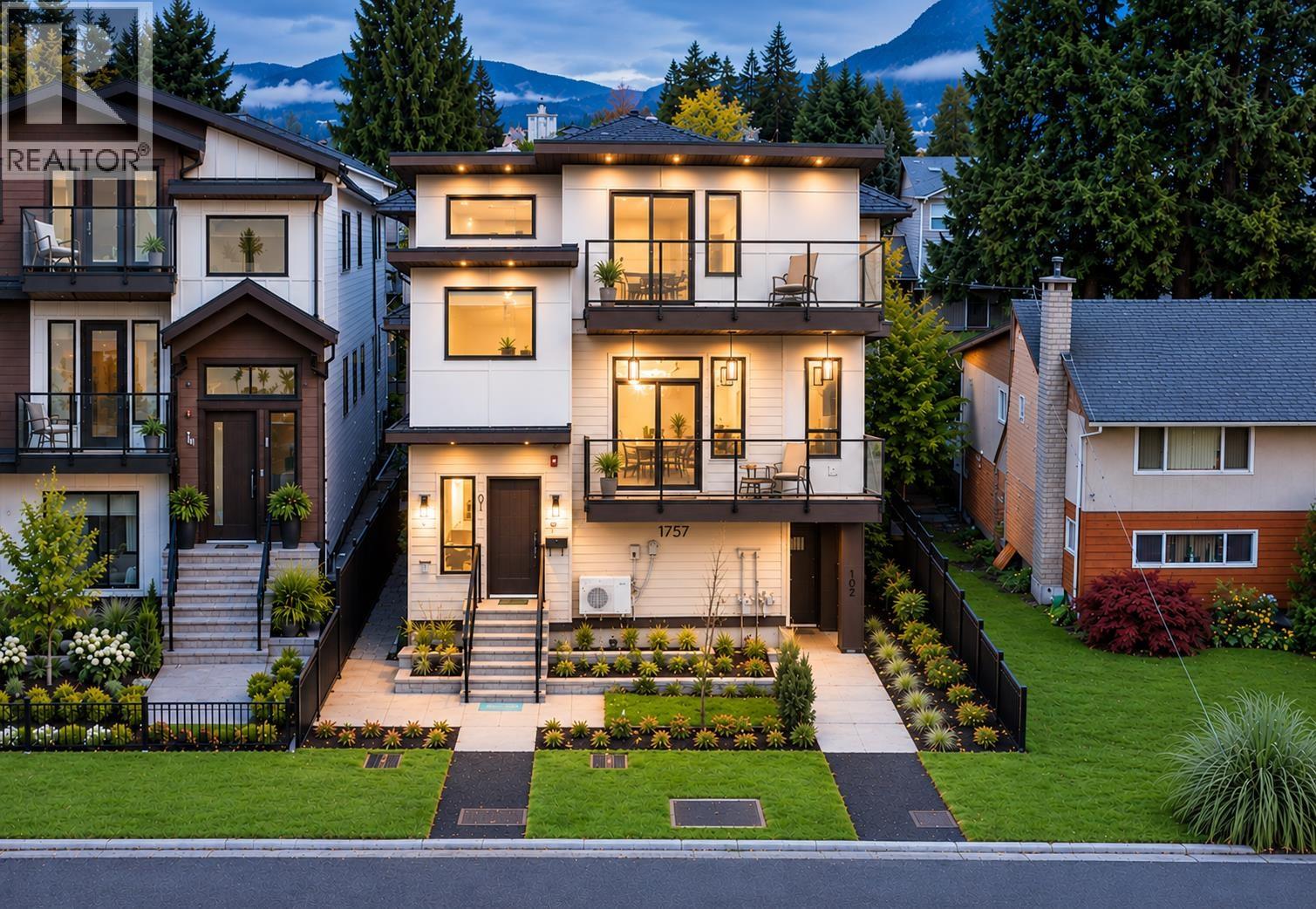 Open House
 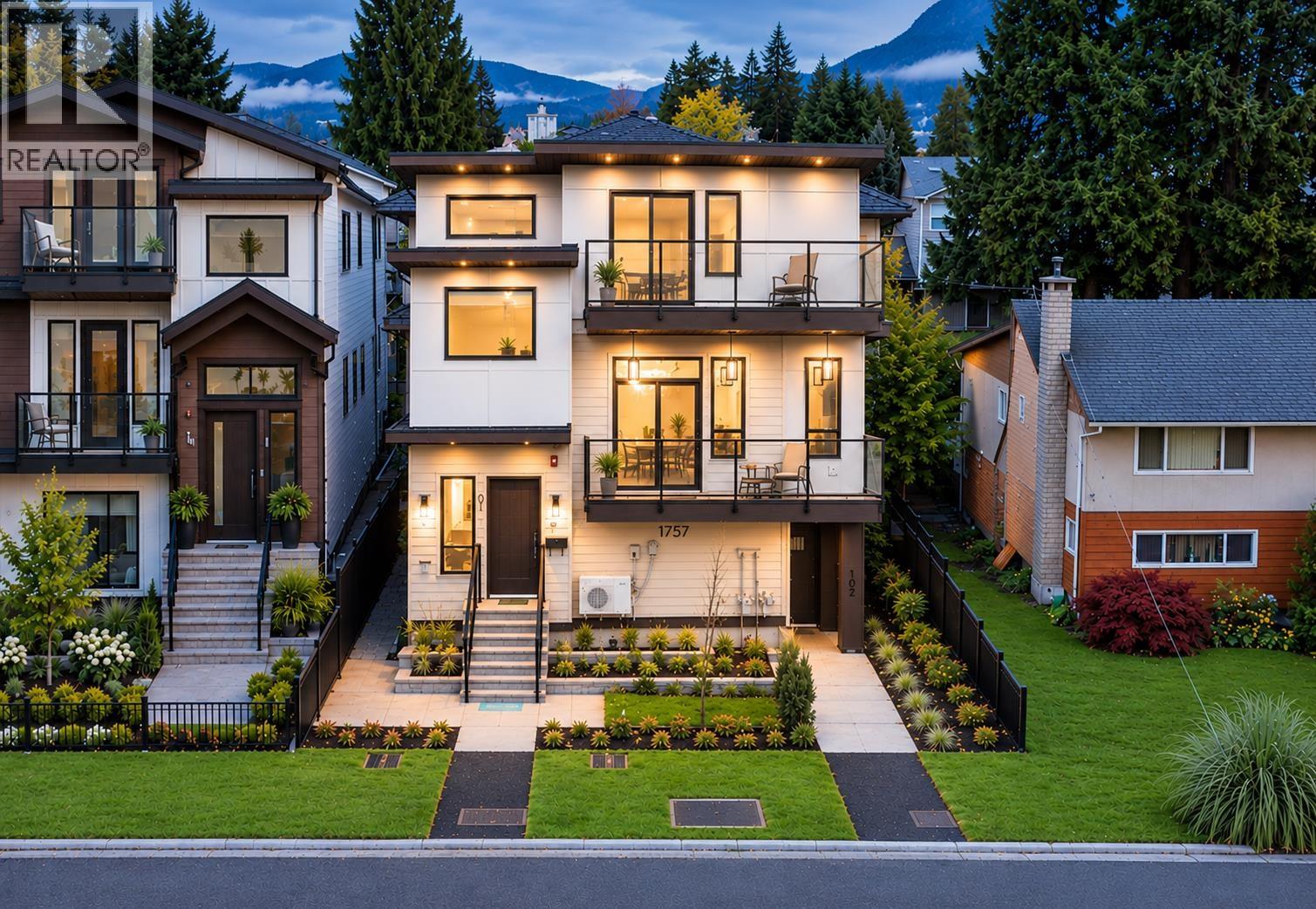 Open House
 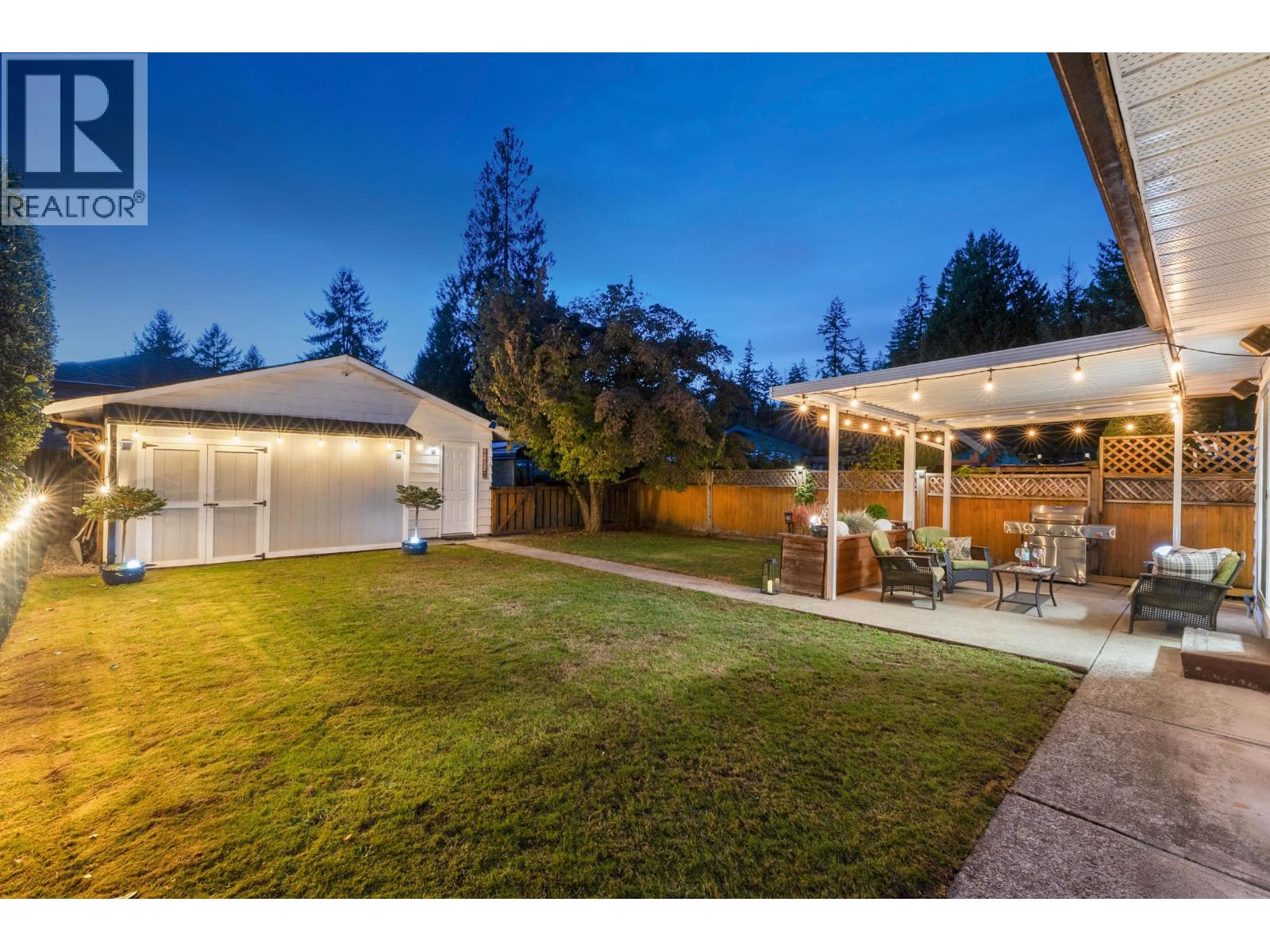 Open House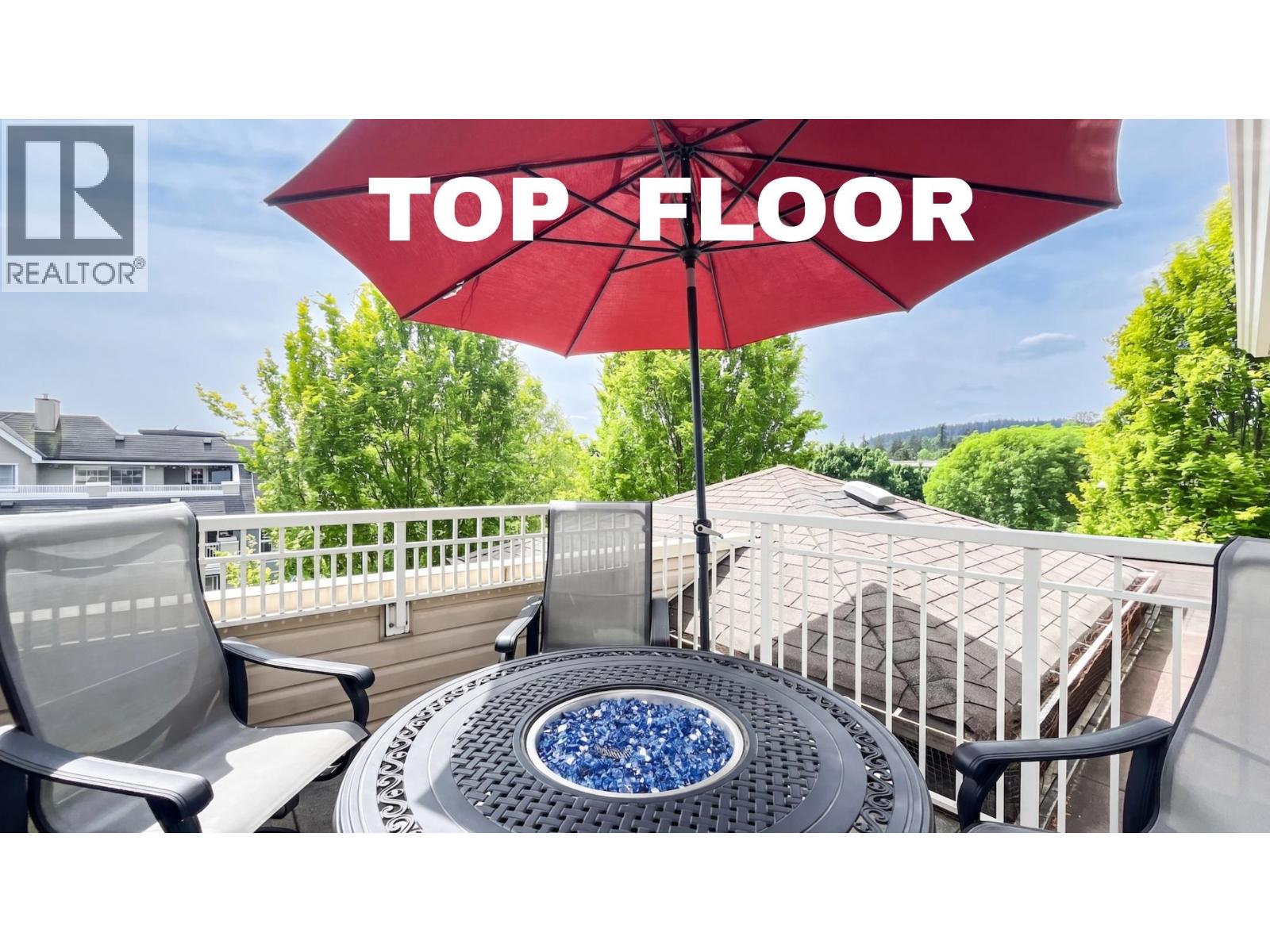

Is Port Coquitlam a good place to live?
For families and value-focused buyers, yes — it is the most affordable Tri-City, with a walkable downtown, the 25-km PoCo Trail, good rec facilities, and the West Coast Express. The main trade-off is no SkyTrain station of its own.
How much does a house cost in Port Coquitlam?
Detached homes generally start around $1.25M — noticeably less than Coquitlam or Port Moody. Townhomes run roughly $800K–$1.05M and condos roughly $450K–$650K. See the live market strip for current figures.
Does Port Coquitlam have SkyTrain?
No. PoCo is served by the West Coast Express (weekday-peak commuter rail to downtown) plus buses connecting to Coquitlam Central SkyTrain. The lack of a local SkyTrain station is part of why it is more affordable.
How do people commute from Port Coquitlam to Vancouver?
Most downtown commuters use the West Coast Express at weekday peak; off-peak riders bus to Coquitlam Central and take the Evergreen SkyTrain. Drivers use the Mary Hill Bypass and Highway 1.
Where do families relocating to Port Coquitlam usually buy?
Citadel Heights for premium riverside detached, Oxford Heights for affordable established detached, and Riverwood for newer family homes and townhomes near trails and rec.
Is Port Coquitlam better value than Coquitlam?
On price per square foot of detached housing, generally yes — you get more house and yard for the money. The trade-off is the longer/transit-lighter commute, since PoCo has no SkyTrain station.
What should I do first when moving to Port Coquitlam from out of province?
Read the out-of-province buyer guide for BC’s property transfer tax and closing differences, then the relocation checklist for the timeline.
Relocating from out of province or across Metro Vancouver? Map out timing, neighbourhoods, and budget with Sebastian — owner-operated, no team handoffs.
Contact SebastianSelling to fund the move? Get a current valuation based on real Tri-Cities sold data.
Instant Home Value ReportSee what's on the market across Coquitlam, Port Moody, and Port Coquitlam right now.
View Homes for Sale
This page is general information for people relocating to the Tri-Cities, not legal, tax, financial, or immigration advice, and figures are current as of June 2026 and subject to change. Property transfer tax, the foreign-buyer ban, and provincial taxes have specific rules and exemptions — confirm your situation with a BC real estate lawyer or notary, an accountant, or the relevant authority (BC Government) before acting. Sebastian Czarkowski is a licensed REALTOR® (BCFSA). MLS® figures sourced from current Tri-Cities board data.