
A local REALTOR®’s honest guide to relocating to Coquitlam — what your budget buys, where families land, the SkyTrain commute, and the move itself.
Coquitlam is where most people relocating to the Tri-Cities end up looking first — it has the broadest mix of housing, the best transit, and the deepest school options. This guide covers what you actually get for your budget, which neighbourhoods suit which buyers, how the commute works, and the practical steps of the move.
The short answer
Coquitlam is the largest and most varied of the three Tri-Cities, with the most SkyTrain access (four Evergreen stations), a wide price range from Burquitlam condos to Burke Mountain new-build detached, and strong SD43 schools. Most relocating buyers land in Burke Mountain (new family homes), Westwood Plateau (established detached), or the Burquitlam/Lougheed transit corridor (condos and townhomes).
96–98%
Coquitlam Sale-to-List Ratio
$1.51M
Median Detached Price
1,251
Homes Active Right Now
Live figures from current Tri-Cities MLS® data, refreshed weekly. Sale-to-list ratio reflects how close homes are selling to asking — under 100% is a buyer's-market signal.
Approximate bands — they move with the market, so treat them as a starting frame, not a quote.
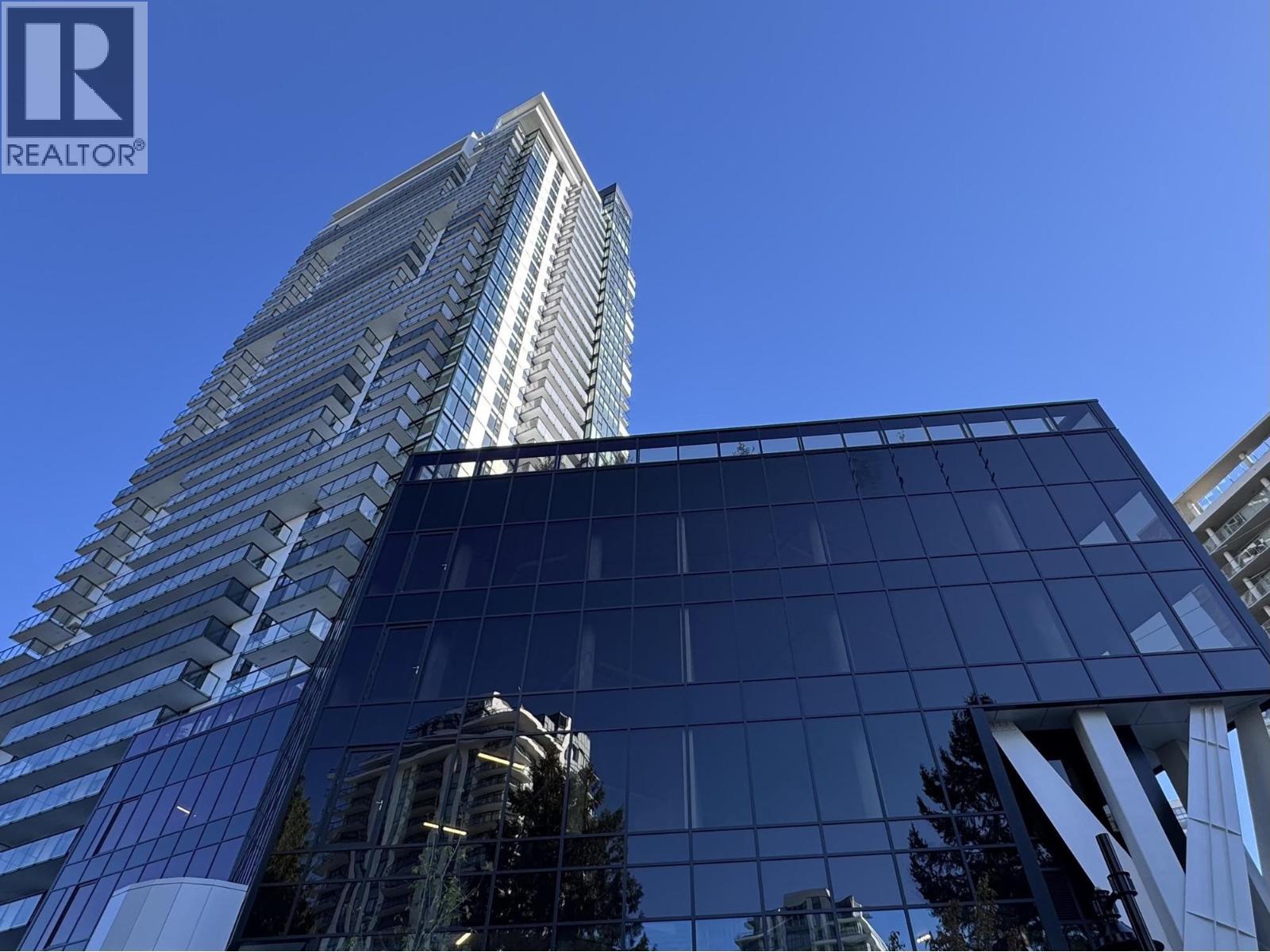
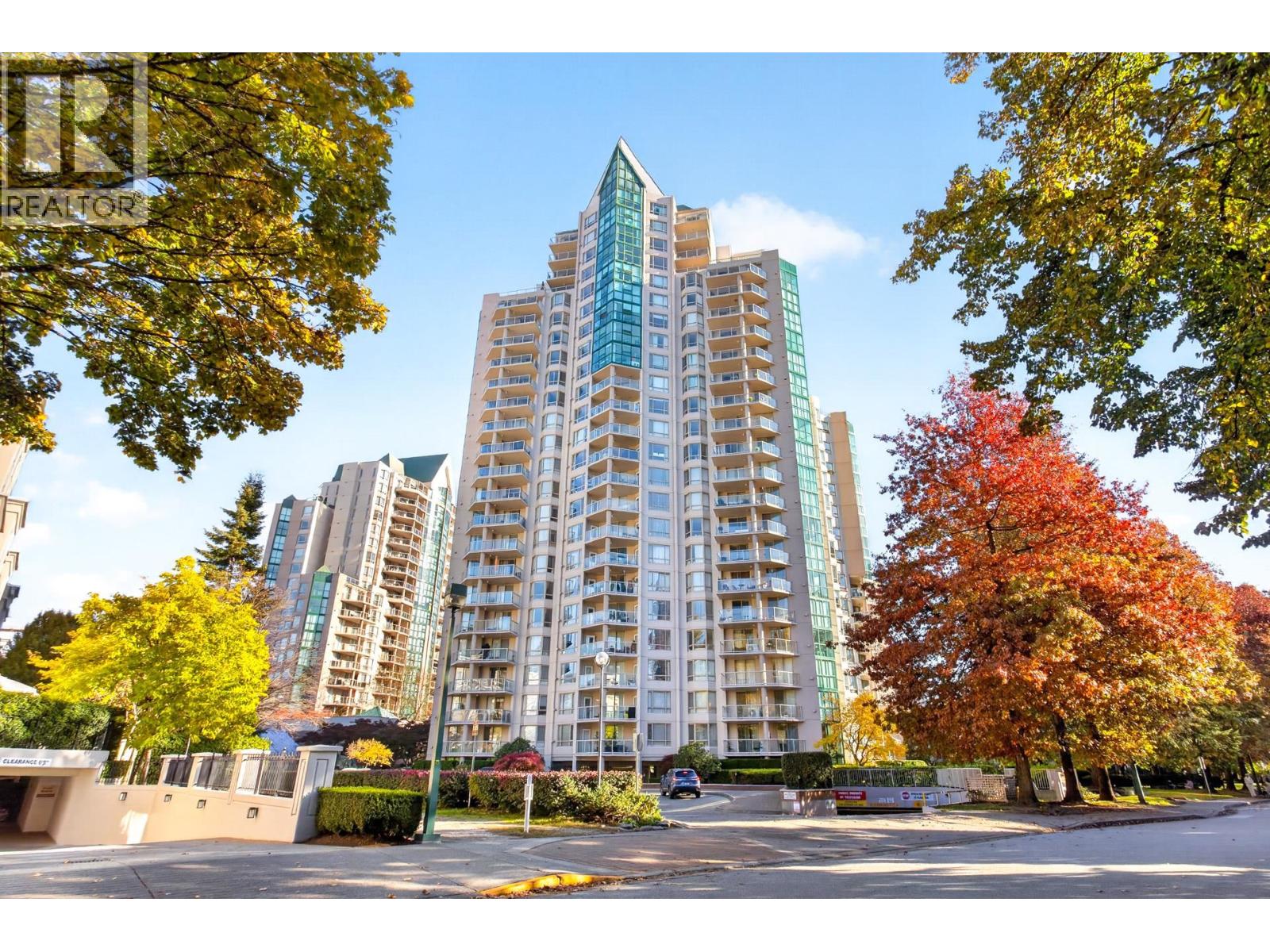
Burquitlam, Lougheed, and North Coquitlam towers — most are walking distance to SkyTrain.
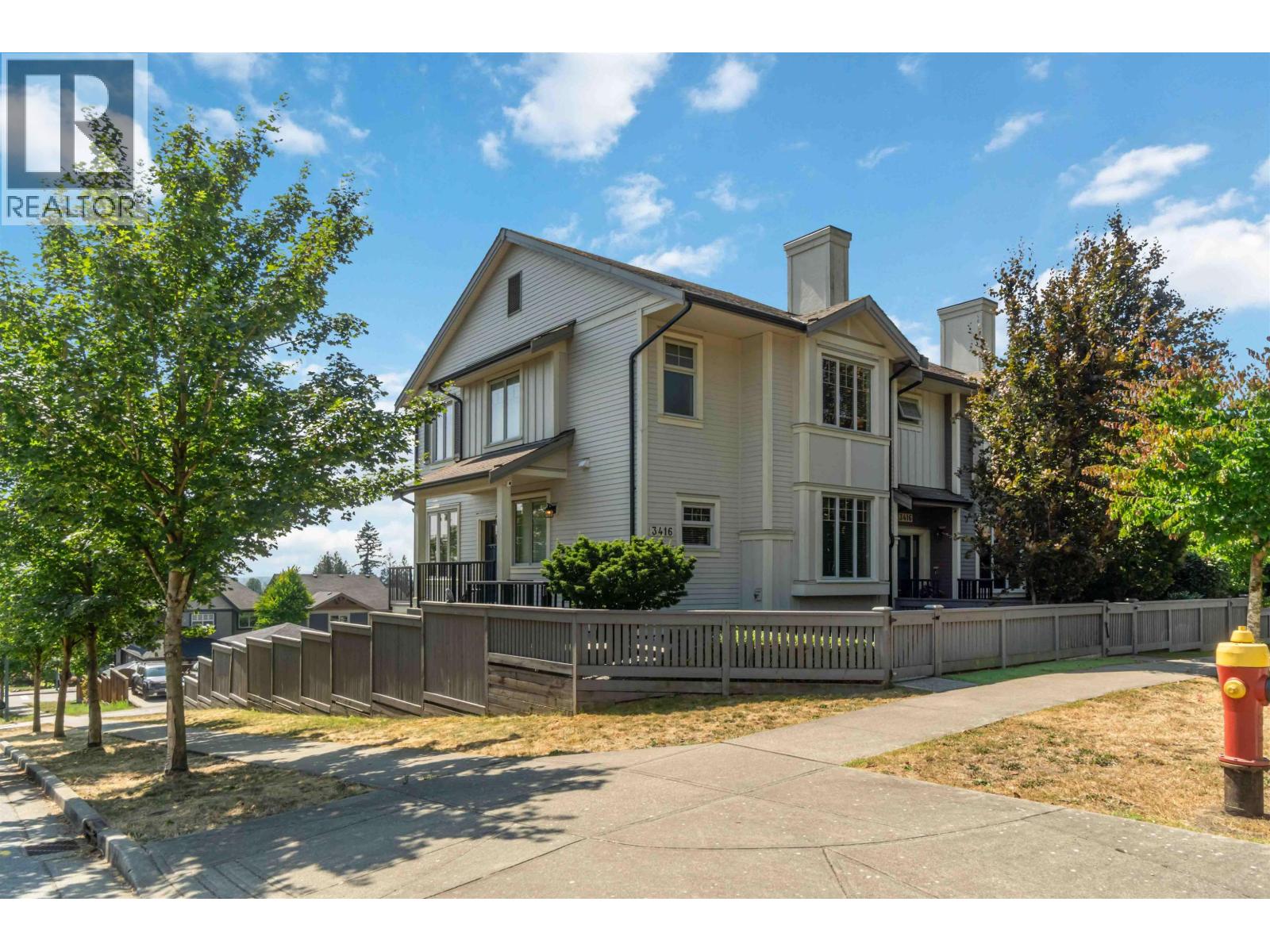
Family-sized, three-bed townhomes in Burke Mountain, Westwood Plateau, and Coquitlam West.
Burke Mountain new construction, Westwood Plateau views, and established Central Coquitlam.
Coquitlam’s newest detached neighbourhood — the default landing spot for relocating families who want a new house with a yard and new schools.
Established hillside detached with golf, trails, and mountain views; a step up in price and lot size.
The Burquitlam transit corridor — condos and townhomes a short SkyTrain ride from SFU and Burnaby.
Older, well-treed streets between Como Lake and Mundy Park; larger lots and a more central feel.
Coquitlam has the most transit of the three Tri-Cities — four Evergreen (Millennium Line) SkyTrain stations put downtown Vancouver and SFU within a single-seat ride for much of the city.
Burquitlam, Coquitlam Central, Lincoln, and Lafarge Lake–Douglas stations. Downtown Vancouver runs roughly 45 minutes; Lougheed and SFU are much closer.
Highway 1 and the Lougheed/Barnet routes reach Burnaby in about 25–35 minutes off-peak; rush hour is heavier westbound.
The Coquitlam Central WCE station adds a fast weekday-peak train to downtown for commuters who prefer rail over SkyTrain.
Coquitlam balances city access with outdoor space better than almost anywhere in Metro Vancouver. Lafarge Lake, the Coquitlam Crunch, Mundy Park, and Como Lake are all within the city, and Pinecone Burke Provincial Park sits at the top of Burke Mountain. Lougheed Town Centre and the Coquitlam Centre area give you full big-box and mall shopping without leaving town.
It is genuinely a city, not a bedroom suburb — city centre around Lafarge Lake has been densifying around SkyTrain for a decade, so you get restaurants, the Evergreen Cultural Centre, and the City Centre Aquatic Complex alongside the trails.
Coquitlam is part of School District 43 (SD43), the third-largest in BC. Dr. Charles Best Secondary is one of the higher-rated public secondaries in the region, and Burke Mountain’s newer elementaries (Smiling Creek, Sparrow, Leigh) draw families specifically for the catchments. French Immersion and IB options exist across the district.
If schools are driving your move, check catchments before you commit to a neighbourhood — see the Tri-Cities schools guide. Catchment boundaries matter more than the city name.

Is Coquitlam a good place to live?
For most relocating buyers, yes — it offers the Tri-Cities’ widest housing range, the most SkyTrain access, strong SD43 schools, and extensive parks and trails, while costing less than the City of Vancouver or the North Shore.
How much does a house cost in Coquitlam?
Detached homes generally start around $1.5M and rise well past $2M on Westwood Plateau or premium Burke Mountain lots. Townhomes run roughly $900K–$1.2M and condos roughly $500K–$700K. See the live market strip above for current medians.
Where do families relocating to Coquitlam usually buy?
Burke Mountain is the most common landing spot for families wanting a newer detached home and new schools. Westwood Plateau suits buyers wanting established detached with views; the Burquitlam corridor suits those prioritising transit and a lower entry price.
How long is the commute from Coquitlam to downtown Vancouver?
About 45 minutes by SkyTrain from the Evergreen stations, or a similar time by West Coast Express at weekday peak. Driving varies widely with rush-hour congestion.
Does Coquitlam have SkyTrain?
Yes — four Millennium Line (Evergreen Extension) stations: Burquitlam, Coquitlam Central, Lincoln, and Lafarge Lake–Douglas. It is the best-connected of the three Tri-Cities.
Is Coquitlam cheaper than Vancouver?
Generally yes for comparable detached homes — the same budget buys more space or a newer home than in Vancouver or Burnaby. See the Coquitlam vs Vancouver comparison.
What should I do first when moving to Coquitlam from out of province?
Start with the out-of-province buyer guide for BC’s property transfer tax and closing differences, then the relocation checklist for the step-by-step timeline.
Relocating from out of province or across Metro Vancouver? Map out timing, neighbourhoods, and budget with Sebastian — owner-operated, no team handoffs.
Contact SebastianSelling to fund the move? Get a current valuation based on real Tri-Cities sold data.
Instant Home Value ReportSee what's on the market across Coquitlam, Port Moody, and Port Coquitlam right now.
View Homes for Sale
This page is general information for people relocating to the Tri-Cities, not legal, tax, financial, or immigration advice, and figures are current as of June 2026 and subject to change. Property transfer tax, the foreign-buyer ban, and provincial taxes have specific rules and exemptions — confirm your situation with a BC real estate lawyer or notary, an accountant, or the relevant authority (BC Government) before acting. Sebastian Czarkowski is a licensed REALTOR® (BCFSA). MLS® figures sourced from current Tri-Cities board data.